
Leaside Real Estate: Why Two Homes Sold $270,000 Apart
572 Broadway vs 124 Donlea — What six offers, high-end renovations and buyer competition tell us about Leaside home values in 2026
What two recent Leaside sales tell us about home values, renovations and buyer demand in Toronto's changing real estate market.
Two recent home sales in Leaside offer an interesting look at what buyers are willing to pay for in today's Toronto real estate market.
572 Broadway Avenue recently sold for approximately $1.8 million after attracting six offers, while 124 Donlea Drive sold for approximately $1.53 million with just two offers.
That's a difference of roughly $270,000 between two homes in the same neighbourhood.
So what explains such a significant difference?
The answer comes down to more than location. Construction quality, renovations, usable living space and buyer competition all played important roles.
Six Offers vs Two: The Impact of Competition
One of the biggest differences between these two sales was the level of competition.
572 Broadway attracted six offers, creating a competitive offer night that ultimately pushed the selling price beyond what many might have expected.
124 Donlea, on the other hand, received 2 offers.
When several buyers are competing for the same property, the final selling price can move beyond what comparable sales alone might suggest.
But competition wasn't the only factor at Broadway.
A Higher Level of Construction and Finishes
I had the opportunity to personally tour 572 Broadway before it sold, and one thing that stood out was the quality of the renovation.
The construction and finishes were exceptionally well executed, giving the home a level of quality that buyers could immediately recognize.
Broadway also benefited from a substantial addition, providing more interior living space, an additional bathroom and a dug-out finished basement.
These improvements created a larger, more functional family home.
124 Donlea was also a renovated property and had some advantages of its own, including a larger lot and better parking.
However, Broadway offered a different level of interior space and overall finish.
For buyers looking for a move-in-ready home with minimal additional work required, those differences can carry significant value.
Why Broadway Exceeded Expectations
Before offer night, I felt Broadway might sell in the $1.65 million to $1.68 million range if interest was relatively modest.
With stronger competition, I thought the price could move closer to $1.72 million.
The final result exceeded those expectations.
It's a good reminder that even in a more balanced real estate market, an exceptional property can still generate substantial competition.
Buyers may be cautious about pricing overall, but they remain willing to pay a premium when a home checks the right boxes.
Does This Mean Leaside Home Prices Are Rising?
Not necessarily.
It's important to distinguish between an exceptional sale and the broader market.
For a more typical three-bedroom, two-bathroom Leaside home with parking, approximately $1.5 million remains a useful working benchmark, depending on the property's condition, lot, layout and location.
Broadway's result shouldn't automatically become the new comparable for every semi-detached home on the street.
Its substantial addition, higher-end construction, additional living space and competitive offer night make it an outlier rather than a direct comparison for many surrounding properties.
This is why looking at selling prices alone doesn't always tell the full story.
What This Means for Leaside Homeowners
If you're considering selling your home in Leaside, these two sales highlight why accurate pricing requires more than simply looking at what the neighbour's house sold for.
Several factors can significantly influence a property's value:
Living space: Additions and functional layouts can make a substantial difference.
Renovation quality: Buyers notice construction details, finishes and workmanship.
Basement usability: Ceiling height and finished living space can affect a home's appeal.
Lot size and parking: These remain important, even when another property sells for more.
Buyer competition: Multiple offers can push a final selling price above expectations.
The key is understanding which features buyers are willing to pay more for and how your home compares with the properties currently available.
Thinking About Buying or Selling in Leaside?
Every home has its own story, and every sale needs to be considered in context.
Whether you're buying, selling or simply curious about your property's current value, understanding the differences between comparable homes can help you make a more informed decision.
Curious what your Leaside home might be worth?
Request a Personalized Home Evaluation
Looking to buy in Leaside or surrounding Toronto neighbourhoods?
Luke Nicholson
Toronto Real Estate Agent
East York | Leaside | Beaches | Leslieville | Riverdale
Local knowledge. Strong relationships. A personal approach to real estate.
Market commentary reflects the reported property sales and my personal observations from viewing 572 Broadway. Individual property values vary, and the $1.5 million benchmark is an approximate market reference rather than a verified statistical average.
East York Real Estate Update: What 44 Recent Home Sales Reveal
A Closer Look at East York's Fall Housing Market
November 5, 2026 | By Luke Nicholson, REALTOR®
As we move further into November, many East York homeowners are wondering the same thing: What is my home worth in today's market?
The Toronto real estate market has changed over the past few years, but homes across East York and its surrounding neighbourhoods continue to attract buyers.
I recently reviewed 44 residential property sales recorded between October 1 and November 5, 2026, across East York and nearby communities, including Danforth Village–East York, Woodbine–Lumsden, Danforth, O'Connor–Parkview, Broadview North and Playter Estates–Danforth.
Here's what the numbers tell us.
East York Area: Recent Sales at a Glance
44 properties sold
Average selling price: $1,020,961
Median selling price: $1,048,000
Average days on market: 15
Lowest selling price: $550,000
Highest selling price: $1,460,000
Of those 44 sales, 23 were detached homes, 20 were semi-detached homes and one was an attached or row townhouse.
These figures represent the selected East York-area communities, not every residential property type across Toronto.
What Does This Mean for East York Homeowners?
1. Homes Are Still Selling
With an average of 15 days on market, the properties in this group generally found buyers within a few weeks.
However, that doesn't mean every property is selling quickly. Location, condition, layout, parking and pricing all influence how long a home takes to sell.
2. The $1 Million Mark Remains Important
The average selling price of approximately $1.02 million and median price of $1.048 million show that the $1 million range remains an important part of the local housing market.
But averages only tell part of the story.
A renovated semi-detached home near the Danforth may attract a different buyer and price than a detached bungalow requiring updates.
That's why comparable sales matter much more than neighbourhood averages when estimating an individual home's value.
3. Pricing Strategy Matters
Buyers have access to recent sales information and are comparing properties carefully.
For homeowners considering selling, setting a realistic asking price based on comparable properties is an important part of attracting qualified buyers.
For those who aren't planning to sell, following nearby sales can help provide a clearer understanding of how their home's potential market value is changing.
Thinking About Your Home's Value?
You don't need to be planning a move to stay informed about your home's value.
I've introduced a free quarterly home value update service for homeowners in East York, the Beaches, Leslieville and surrounding neighbourhoods.
It includes an initial personalized home value estimate, followed by quarterly email updates featuring relevant comparable sales and local market trends.
There's no obligation to sell — just useful information about your home and neighbourhood.
Or, if you're considering selling in the near future, you can request a home evaluation.
Luke Nicholson | REALTOR®
Keller Williams Portfolio Realty
Serving East York, the Beaches, Leslieville, Leaside and surrounding Toronto neighbourhoods.
Market data: MLS sold-property statistics, October 1–November 5, 2026. Figures reflect 44 selected residential sales across East York and surrounding communities. Individual property values vary.

East York Home Prices: Fall 2026 Market Update for Buyers & Sellers
Fall 2026 Market Update
By Luke Nicholson | Toronto Real Estate | November 2026
If you're thinking about buying or selling a home in East York, understanding what's happening in the local real estate market is more important than ever.
As we move into November 2026, East York continues to attract buyers looking for established neighbourhoods, family homes, parks, schools and convenient access to downtown Toronto.
But today's market is different from the highly competitive conditions we experienced in previous years. Buyers are paying closer attention to value, and sellers need to be thoughtful about pricing and presentation.
Let's take a closer look at what homes are selling for in East York.
What Are Homes Selling for in East York?
According to MLS-based statistics compiled for Toronto's E03 district, which includes East York and several surrounding Danforth-area neighbourhoods, the median selling prices between January 5 and October 11, 2026 were:
Property Type Median Sold Price Detached homes $1,200,000 Semi-detached homes $1,100,000 Condo apartments $452,500
These figures represent 355 detached sales, 141 semi-detached sales and 44 condo apartment sales across E03.
It's important to remember that E03 covers several distinct neighbourhoods. A home in East York proper may sell for a very different price than a comparable property near the Danforth or in Playter Estates.
A Closer Look at October 2026
A narrower East York market report recorded the following October results:
Median selling price: $856,000
Homes sold: 6
Average days on market: 22
New listings: 15
The same report identified a 53% sales-to-new-listings ratio over the preceding three months, suggesting relatively balanced conditions.
However, with only six reported sales in October, the monthly median can be heavily influenced by the types of homes that happened to sell. It should not be interpreted as the typical value of every East York property.
For buyers and sellers, recent comparable sales of similar homes remain a more reliable starting point.
Detached vs. Semi-Detached Homes in East York
East York offers a wide variety of housing styles, from traditional bungalows and two-storey detached homes to semi-detached properties and renovated family residences.
Across the broader E03 district, detached homes recorded a median selling price of approximately $1.2 million during the January-to-October reporting period, while semi-detached homes recorded a median of approximately $1.1 million.
But the difference between two properties can extend well beyond whether they're detached or semi-detached.
Important factors include:
Lot size and frontage
Parking availability
Renovation quality and property condition
Number of bedrooms and bathrooms
Basement height and functionality
Proximity to schools, parks and transit
Recent comparable sales on nearby streets
For example, two homes with similar square footage can attract very different offers depending on their layout, condition and location.
What Does This Mean for East York Sellers?
If you're considering selling your East York home, pricing strategy is particularly important in the current market.
Buyers have access to detailed listing histories and comparable sales. When a property is priced significantly above recent market activity, it may sit longer and eventually require a price adjustment.
That doesn't mean well-presented homes can't achieve excellent results.
It means sellers should focus on three things:
1. Accurate pricing
Understand what comparable properties have actually sold for, not simply what competing homes are asking.
2. Strong presentation
Professional photography, thoughtful preparation and highlighting the property's best features can help create a stronger first impression.
3. A neighbourhood-specific marketing strategy
A bungalow near Stan Wadlow Park may appeal to a different buyer than a renovated semi-detached home closer to the Danforth.
Understanding your likely buyer is an important part of positioning your property.
What Does This Mean for East York Buyers?
For buyers, today's market may offer opportunities to take a more measured approach to purchasing a home.
With some properties spending longer on the market, buyers may have more time to evaluate condition, compare recent sales and consider appropriate offer terms.
However, desirable properties can still attract competition.
Before making an offer, it's important to review recent comparable sales, understand the home's condition and assess whether the asking price reflects current market value.
Older East York homes may also warrant particular attention to foundations, electrical systems, plumbing, roofing and previous renovations.
Why Buyers Continue to Choose East York
Beyond the housing market, East York remains an appealing community for families and homeowners who value neighbourhood connections.
From Stan Wadlow Park and local baseball programs to hockey, community recreation, schools and neighbourhood businesses, East York offers a strong sense of community.
As someone involved in coaching youth hockey and baseball in East York, I've seen firsthand how important these local connections are to families.
It's one of the reasons I enjoy helping people find homes in this part of Toronto.
What's Your East York Home Worth in Today's Market?
Online averages can provide a useful starting point, but they don't tell the full story of an individual property's value.
The most accurate approach is to examine recent sales of similar homes, current competing listings and the unique features of your property.
Whether you're considering selling soon or simply want to understand how your home's value has changed, I'm happy to help.
Request a complimentary, no-obligation East York home evaluation.
Find Out What My East York Home Is Worth
Thinking about buying instead?
You can also learn more about the community on my East York Real Estate neighbourhood page.
Luke Nicholson | Keller Williams Portfolio Realty
Market Data Sources
Market statistics reflect the reporting periods and geographic boundaries identified above. Figures are based on publicly reported MLS-derived data and may differ between sources. They are not a substitute for a property-specific comparative market analysis.
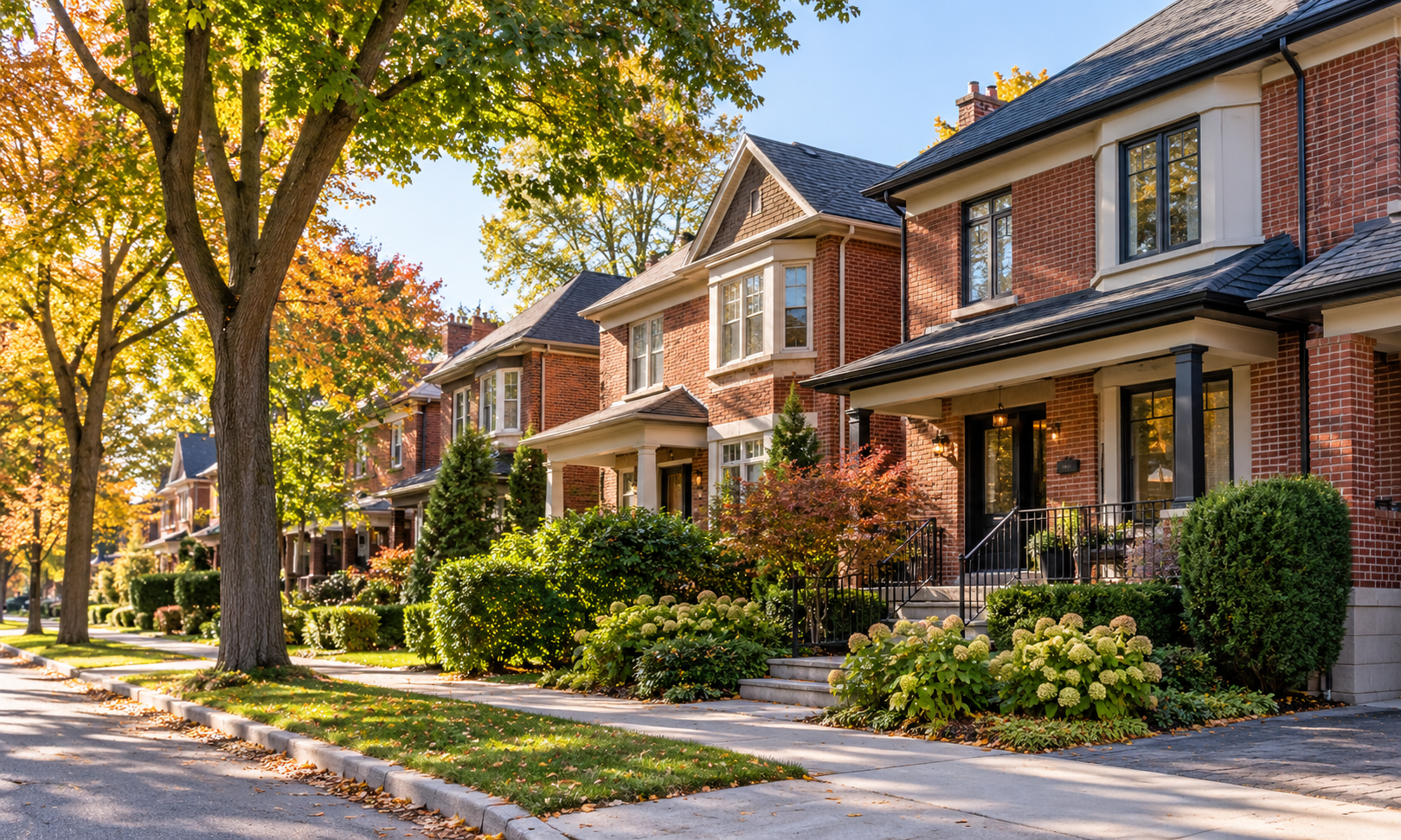
Leaside Semis Under $1.5 Million: What Recent Sales Are Telling Us
Recent Leaside semi-detached sales are showing more opportunities under $1.5 million. Here's what the latest prices mean for buyers and sellers in today's market.
October 2026 | Toronto Real Estate Market Update
For years, Leaside has been one of Toronto's most desirable neighbourhoods, known for its excellent schools, established streets, parks and strong sense of community.
But something interesting is happening in the semi-detached market.
We're seeing more three-bedroom, two-bathroom semi-detached homes with parking selling for less than $1.5 million.
For buyers who have been watching Leaside from the sidelines, that's worth paying attention to.
A Look at Recent Leaside Sales
Here are several recent semi-detached sales that illustrate what buyers are paying:
153 Parkhurst Boulevard $1,240,000
39 Brentcliffe Road $1,300,000
22 Thursfield Crescent $1,370,000
8 Beaufield Avenue $1,381,000
87 Thursfield Crescent $1,445,000
260 Donlea Drive $1,485,000
These selected sales average approximately $1.37 million, with all six selling below $1.5 million.
Of particular interest is 22 Thursfield Crescent, which reportedly sold firm for $1.37 million in October, and 153 Parkhurst Boulevard, which sold for $1.24 million.
These are individual transactions rather than a complete picture of every Leaside sale, but they highlight an important opportunity in today's market.
Is Leaside Becoming More Affordable?
In certain segments of the market, I believe it is.
Buyers who previously assumed a three-bedroom semi in Leaside was beyond their budget may be surprised by what's available.
That doesn't mean every property is selling at a discount. Renovated homes on desirable streets, with good layouts and functional parking, can still command stronger prices.
However, buyers appear to have more room to compare properties, evaluate value and make informed decisions without the same pressure that characterized Toronto's peak market.
What Does This Mean for Buyers?
If you've been considering Leaside but felt priced out, it may be time to take another look.
A budget of approximately $1.3 million to $1.5 million is now worth exploring for a three-bedroom semi-detached home, depending on the property's condition, size and location.
The key is understanding what you're buying. Renovations, basement condition, lot size and parking arrangements can all significantly affect value.
What Does This Mean for Sellers?
For homeowners considering selling, pricing strategy matters more than ever.
Buyers are paying close attention to recent comparable sales. A home priced according to expectations from the peak market may struggle to generate interest if similar properties are selling for less.
That doesn't mean sellers need to undervalue their homes. It means understanding where their property fits in today's market and presenting it accordingly.
Thinking About Buying or Selling in Leaside?
Every home is different, and recent sales only tell part of the story. Lot size, renovations, layout, parking and location can all influence what buyers are willing to pay.
If you're thinking about selling your Leaside home, I'd be happy to provide a personalized market evaluation based on recent comparable sales.
Find Out What Your Home Is Worth
Looking to buy in Leaside or nearby East Toronto neighbourhoods? I can help you understand current pricing, evaluate properties and navigate the buying process.
Luke Nicholson | Toronto Real Estate Agent — East York, Leaside, the Beaches, Leslieville and Riverdale
Toronto East Real Estate Market Update: What We're Seeing This Fall
September 2026
As we head into the fall market, the latest numbers are giving us a pretty good indication of where Toronto's East End real estate market stands.
The short version?
The market is more balanced than we've seen in previous years, but the experience can be very different depending on the neighbourhood and the type of property you're looking at.
And that's an important distinction.
Looking at the broader Toronto East numbers can tell us a lot, but it doesn't always tell the story of what's happening on a particular street or with a particular type of home.
Toronto East: A More Balanced Market
In August, Toronto East recorded 425 sales, with an average sale price of approximately $857,000.
There were 940 new listings and 1,744 active listings, giving the area roughly 3.6 months of inventory.
Homes took an average of about 31 days to sell and, overall, sold for approximately 99% of the asking price.
Compared with the more competitive markets we've experienced in the past, buyers have more choice and generally have more time to do their homework.
But that doesn't mean every property is sitting on the market.
In fact, some of the East End's most desirable pockets continue to see strong competition.
Leslieville & Riverdale
Leslieville and Riverdale continue to attract buyers looking for character, walkability and access to the downtown core.
In August, the area recorded 28 sales with an average sale price of approximately $982,000.
There were 79 new listings and 126 active listings, putting inventory at roughly 3.6 months.
For buyers, this creates a little more breathing room than we've seen in highly competitive markets.
But the quality of the property still matters enormously.
A well-maintained or renovated freehold home in a desirable pocket can attract significantly more attention than the overall market statistics might suggest.
The Beaches & Woodbine Corridor
The Beaches and Woodbine Corridor are showing a somewhat tighter market.
August saw 27 sales with an average sale price of approximately $1.28 million and a median of about $1.12 million.
There were 59 new listings and 82 active listings, representing roughly 2.2 months of inventory.
Homes sold for approximately 100% of asking and averaged about 24 days on the market.
With less inventory available, buyers looking for the right detached or semi-detached home can still find themselves competing—particularly when the property is well presented and priced appropriately.
It's also worth remembering that neighbourhood statistics can move around from month to month because the number of sales is relatively small. One month with more higher-end homes selling can have a noticeable impact on the average.
East York & Danforth
Further north, East York and the Danforth are also showing relatively healthy demand.
The area recorded 44 sales in August, with an average sale price of approximately $1.10 million and a median of about $1.12 million.
There were 94 new listings and 155 active listings, representing approximately 2.7 months of inventory.
Homes sold for roughly 100% of asking and averaged about 33 days on the market.
The semi-detached segment is particularly interesting. Twelve semi-detached homes sold during the month, averaging approximately $1.09 million, with the group selling at an average of more than asking.
Again, that doesn't mean every semi in East York is going to sell over asking.
It does show how quickly the market can change when you move from the broader Toronto numbers to a specific property type in a desirable neighbourhood.
What Does This Mean for Buyers?
For buyers, I think there is still opportunity in the current market.
There's more inventory than we saw during the most competitive periods, and buyers generally have more time to compare properties, investigate potential issues and negotiate.
That's a positive.
But I wouldn't interpret the current market as meaning that every property is a bargain.
The best homes are still getting attention If a property is renovated, well located, priced properly and offers the features buyers are looking for—parking, outdoor space, good layout, finished basement, or simply a great street—it can still generate significant interest.
The key is understanding what you're actually buying and what it's worth, rather than relying solely on the asking price.
What Does This Mean for Sellers?
For sellers, pricing and presentation are more important than ever.
We're no longer in a market where you can necessarily put a home on MLS at an ambitious price and expect buyers to compete their way up to it.
Buyers have choices.
They have access to recent sales.
And they're increasingly willing to wait for the right property.
That means a successful sale starts with understanding the competition and positioning the home appropriately from the beginning.
The goal isn't necessarily to be the cheapest house on the market.
It's to make sure buyers understand why your property represents good value compared with their alternatives.
The East End Isn't One Market
This is probably the biggest takeaway I'd have for anyone watching the Toronto market right now.
There isn't really one "Toronto real estate market."
The numbers can look very different between:
Leslieville and Riverdale.
The Beaches and Woodbine Corridor.
East York and the Danforth.
And even within those neighbourhoods, the difference between a renovated semi on a great street and a property requiring significant work can be substantial.
That's why I think neighbourhood-level and property-level analysis is becoming increasingly important.
Looking Ahead to Fall
I expect the fall market to continue to give buyers more choice than we've seen during the most competitive periods of the Toronto market.
At the same time, I don't think buyers should assume that every seller is under pressure or that every property will sell below asking.
The homes that are priced correctly and offer what buyers are looking for can still move quickly.
For sellers, the lesson is equally straightforward:
Price matters. Presentation matters. Strategy matters.
And for both buyers and sellers, understanding the recent comparable sales in the immediate neighbourhood is far more useful than simply looking at the average Toronto price.
If you're thinking about buying or selling in Toronto's East End this fall, I'd be happy to give you an honest assessment of what the current market means for your particular situation.
No pressure. No obligation. Just a conversation about the numbers and what I'm seeing on the ground.
Parking Parking Parking
Parking is becoming one of the biggest price drivers in the market.
Across East York, Leslieville, Riverdale, The Beaches, and the Woodbine Corridor, buyers are paying a growing premium for homes with private parking — and in many cases, that premium can reach well into six figures.
While the broader Toronto market has become more balanced in some segments, demand for quality semi-detached homes remains extremely competitive, especially in the $1M–$1.4M range where many young families are searching for long-term homes.
The East-End Semi Market Remains Competitive
Inventory for well-located 3-bedroom semis remains relatively low compared to historical averages. Many sellers are holding onto properties due to low mortgage rates secured years ago, while buyers continue competing for limited family-sized inventory close to transit, schools, parks, and downtown access.
As a result:
Multiple offers are still common
Underpricing strategies continue to dominate
Well-presented homes are selling quickly
Functional features are driving stronger premiums than cosmetic finishes alone
And one feature buyers continue prioritizing above almost everything else is parking.
Why Parking Matters More Than Ever
Toronto buyers today are placing far more emphasis on convenience and long-term functionality than they were just a few years ago.
Hybrid work schedules, growing families, and the rising cost of city living have shifted buyer priorities. Even in transit-friendly neighbourhoods, many households now own at least one vehicle — and increasingly, two.
That has dramatically increased the value buyers place on:
Private parking
Laneway access
Front pad parking
Garages and carports
In competitive east-end neighbourhoods, two otherwise similar semis can now sell at dramatically different prices simply because one includes parking and the other does not.
Parking has evolved from a “nice bonus” into a core lifestyle feature.
Buyers Are Becoming More Selective
One of the most interesting trends in today’s market is that buyers are often willing to overlook cosmetic flaws but are far less flexible on functionality.
Buyers are becoming increasingly focused on:
Parking
Additional bathrooms
Finished basements
Central air conditioning
Functional layouts
Storage space
Meanwhile, many buyers are more willing to compromise on:
Older kitchens
Dated finishes
Cosmetic upgrades
Smaller outdoor spaces
That means homes with parking are attracting stronger buyer pools and often generating more aggressive bidding behaviour.
Why Homes Without Parking Can Still Be Great Opportunities
Interestingly, some of the best value opportunities in today’s market are actually homes without parking.
Many buyers immediately eliminate these homes from consideration, which can reduce competition and create pricing gaps between otherwise similar properties.
For buyers comfortable with:
Transit use
Street parking
Walkable lifestyles
…there can still be excellent opportunities to purchase into highly desirable neighbourhoods at lower entry points.
The key is understanding whether the discount outweighs the long-term trade-off in resale appeal.
What Sellers Should Understand
If you are selling a semi-detached home with parking in today’s market, it should absolutely be positioned as a major selling feature.
Parking:
Expands the buyer pool
Increases emotional appeal
Improves long-term resale confidence
Helps justify premium pricing
In many east-end neighbourhoods, it can be one of the single biggest differentiators between two competing listings.
Final Thoughts
Toronto’s semi-detached market continues to reward functionality over flash.
While beautifully renovated homes still attract attention, buyers in 2026 are increasingly making decisions based on long-term livability and practicality — and parking sits near the top of that list.
For sellers, parking can significantly strengthen demand and final sale price.
For buyers, homes without parking may still represent one of the few remaining opportunities to find relative value in Toronto’s highly competitive east-end neighbourhoods.
Understanding the difference between emotional bidding and true long-term value has never been more important.
Competition remains high while prices are falling to 5 year lows.
Why 3-Bedroom, 2-Bathroom Semis in Toronto’s East End Are More Competitive Than Ever
If you’ve been searching for a 3-bedroom, 2-bathroom semi-detached home in East York, The Beaches, Leslieville, or the Woodbine Corridor, you’ve probably noticed the same thing many buyers are experiencing right now:
There simply are not many available.
Inventory for this specific segment of the market is currently sitting at some of the lowest levels seen since 2019–2020, and the lack of supply is creating intense competition whenever a well-presented property hits the market.
Why This Segment Is So Competitive
Three-bedroom semis with two bathrooms continue to represent one of the most desirable property types in Toronto’s east end. They appeal to:
Young families moving out of condos
Buyers upgrading from smaller starter homes
Couples planning for long-term ownership
Buyers priced out of detached homes
These homes often offer the ideal balance of:
Functional family space
Lower maintenance than detached properties
Access to strong school districts
Walkable neighbourhoods and transit
More attainable pricing compared to detached homes
The challenge is that very few owners in these neighbourhoods are selling.
Inventory Remains Extremely Tight
Across East York, Leslieville, The Beaches, and the Woodbine Corridor, many sellers are choosing to hold onto their homes rather than list them.
Several factors are contributing to this:
Owners locked into lower mortgage rates
Limited options to move up within the city
Continued long-term confidence in east-end neighbourhoods
Strong appreciation over the last decade
As a result, buyers are competing over a very limited number of quality listings.
The Result: Aggressive Offer Nights
The biggest trend we are seeing is strategic underpricing.
Many homes are intentionally listed below market value to generate attention, drive traffic through open houses, and create multiple-offer scenarios.
This has resulted in:
Homes selling significantly over asking
Buyers submitting clean offers with no conditions
Large deposits becoming standard
Emotional bidding pushing prices well beyond comparable sales in some cases
Even properties with compromises — such as no parking, older mechanical systems, or smaller layouts — are still attracting strong competition due to the lack of available inventory.
Buyers Need to Stay Grounded
While competition is intense, not every sale should redefine the market.
Some recent east-end sales have pushed well beyond comparable value due to emotional bidding and limited supply. Buyers should remain focused on:
Overall functionality
Long-term resale potential
Mechanical condition
Layout and livability
Real comparable sales, not just headline prices
The strongest opportunities are often homes that balance value and long-term practicality rather than simply chasing the most aggressively marketed property.
What Buyers Should Expect This Spring and Summer
As we move further into the spring and summer market, inventory is expected to remain tight for quality 3-bedroom semis under the detached-home price point.
Well-presented homes in East York, The Beaches, Leslieville, and the Woodbine Corridor will likely continue to:
Receive multiple offers
Sell quickly
Command premium pricing
Buyers who are prepared, realistic, and decisive will continue to have the best chance of success.
Final Thoughts
For buyers searching in Toronto’s east end, this market remains highly competitive — particularly for turnkey 3-bedroom, 2-bathroom semis.
The key is understanding the difference between:
A strong property worth competing for
And an emotional bidding war that pushes pricing beyond reason
With the right strategy, preparation, and market guidance, opportunities still exist — but timing and discipline matter more than ever.
If you’re thinking about buying or would like a detailed breakdown of recent comparable sales in your target neighbourhood, feel free to reach out anytime.
First- Time Home Buyers- Are you ready?
First-Time Home Buyers — Are You Ready? Here’s Exactly What To Do Before You Start Looking
If you’re thinking about buying your first home, you’re not alone. Many first-time buyers in Toronto have been waiting for the right moment, and with the market becoming more balanced, this spring may finally be the opportunity you’ve been hoping for.
But before you start booking showings or browsing listings every night, there are a few important steps you should take to make sure you’re truly ready. The buyers who prepare properly are the ones who move with confidence — and usually get the best deals.
Here’s the step-by-step guide every first-time home buyer should follow.
Step 1 — Know Your Budget (Before You Fall in Love With a House)
The biggest mistake first-time buyers make is looking at homes before knowing what they can afford.
Your budget depends on:
Income
Down payment
Current debts
Interest rates
Monthly comfort level
Just because a bank approves you for a certain amount doesn’t mean you should spend it all. A smart plan is to understand what payment feels comfortable for your lifestyle.
Step 2 — Get Pre-Approved for a Mortgage
A mortgage pre-approval is one of the most important steps in the process.
A pre-approval tells you:
How much you can borrow
What your interest rate may be
What your monthly payment could look like
That you are a serious buyer
You’ll usually need:
Employment letter
Recent pay stubs
T4s or Notice of Assessment
Bank statements
Credit check
ID
In today’s market, sellers take pre-approved buyers much more seriously.
Step 3 — Understand Your Down Payment Options
Many first-time buyers think they need 20% down. That’s not always true.
In Canada:
5% down on the first $500,000
10% on the portion above $500,000
CMHC insurance may apply under 20%
You should also plan for closing costs, which usually range from 1.5%–3% of the purchase price.
These can include:
Land transfer tax
Lawyer fees
Home inspection
Adjustments
Step 4 — Choose the Right Realtor Early
A good realtor doesn’t just open doors — they help you:
Understand the market
Avoid overpaying
Structure strong offers
Negotiate properly
Know when to walk away
In a changing market, strategy matters more than ever.
The best time to speak to an agent is before you start looking, not after.
Step 5 — Start Looking With a Plan (Not Emotion)
Once you’re pre-approved and know your budget, then it’s time to start looking.
This is where preparation pays off.
Right now in Toronto we are seeing:
More listings
Less competition
More negotiation opportunities
Sellers adjusting expectations
For the first time in years, first-time buyers actually have room to think before making a decision.
That’s a big change.
Step 6 — Know When the Timing Is Right for You
There is no perfect market.
There is only the right time for your situation.
Some buyers wait too long because they’re trying to predict the market. The buyers who succeed usually focus on preparation instead of prediction.
If you understand your numbers and have a plan, you can move when the opportunity makes sense.
Thinking About Buying Your First Home?
If you want, I can walk you through exactly what buying would look like for you — no pressure, just real numbers and a clear plan.
Reach out anytime to set up a quick first-time buyer consultation.
Why Spring Could Be the Moment First-Time Buyers Finally Get Into the Toronto Market
Why Spring Could Be the Moment First-Time Buyers Finally Get Into the Toronto Market
For many first-time home buyers in Toronto, the last few years have felt like a waiting game with no clear finish line. Prices surged, competition was intense, and rising interest rates pushed ownership further out of reach.
But as we head into this spring, something has quietly changed.
This is shaping up to be one of the most reasonable entry points first-time buyers have seen in years — not because the market is perfect, but because conditions are finally aligning in a way that rewards patience, preparation, and long-term thinking.
Here’s why this spring may be the moment to stop waiting and start seriously looking.
The Market Is No Longer Working Against You
For the first time in a while, first-time buyers aren’t competing against dozens of offers on every decent listing.
Inventory across Toronto and the GTA is higher than it’s been in recent springs, which means:
More choice
Less urgency
Fewer emotional, rushed decisions
Instead of bidding blindly and waiving conditions, buyers are once again able to negotiate price, include inspections, and walk away if something doesn’t feel right. That shift alone makes today’s market fundamentally different from what sidelined many first-time buyers in the past.
Prices Have Softened — And Stabilized
While Toronto remains an expensive city, prices are no longer climbing aggressively.
In many neighbourhoods and condo segments, values have either flattened or declined modestly, creating a rare window where buyers aren’t racing against rapid appreciation. That stability allows first-time buyers to plan, budget, and purchase based on affordability — not fear of missing out.
For those who have been saving diligently, this means your down payment now has more buying power than it did just a few years ago.
Mortgage Rates Are No Longer the Shock Factor
Rising interest rates were a major obstacle for first-time buyers in recent years. While rates are still higher than historic lows, they have stabilized, and affordability has improved compared to the uncertainty of 2023–2024.
More importantly, buyers today can plan around known numbers instead of guessing where rates will land next month. And unlike price spikes, mortgage rates can be refinanced over time — a key advantage for buyers thinking long term.
Waiting for the “perfect” rate often means missing a balanced market where negotiation and selection matter more.
Renting Isn’t Getting Easier
Many first-time buyers stay on the sidelines hoping ownership will suddenly become more affordable — but rents in Toronto continue to rise, renewals are unpredictable, and competition remains fierce.
Buying may still stretch your budget, but it also:
Locks in housing stability
Builds equity instead of funding rent increases
Protects you from annual rent volatility
For many buyers, the monthly difference between renting and owning has narrowed, especially when factoring in long-term financial benefits.
You Don’t Need to Buy Your “Forever Home”
One of the biggest misconceptions holding first-time buyers back is the belief that their first purchase must be perfect.
In reality, today’s market is well-suited for entry-level ownership:
Condos
Condo townhomes
Smaller freeholds in developing neighbourhoods
Getting into the market now allows you to build equity, gain experience, and move up later — rather than trying to leapfrog straight into an idealized end-goal property.
A Rare Moment of Leverage for First-Time Buyers
Spring markets are usually competitive by default. What makes this spring different is that buyers still have leverage, even as activity increases.
Sellers are motivated, listings are sitting longer, and realistic pricing is being rewarded. That combination doesn’t last forever — once confidence fully returns, conditions can shift quickly.
The Bottom Line
For first-time buyers who have been waiting for a sign, this spring may be it.
Not because Toronto has suddenly become cheap — but because the market has become more rational, more balanced, and more forgiving for those entering for the first time.
If you’re financially prepared, plan to stay put for several years, and approach the process thoughtfully, this spring offers something Toronto hasn’t provided in a long time: a fair chance to get in.
What the Spring Housing Market in Toronto Is Shaping Up to Look Like
As winter fades and for-sale signs start popping up across the Greater Toronto Area, buyers, sellers, and investors are all asking the same question: what will the spring housing market look like?
After a relatively subdued year in 2025, the early signals suggest that this spring won’t be a return to the frenzied bidding wars of the early 2020s — but it also won’t be a frozen market. Instead, Toronto appears headed toward a balanced, steady, and more predictable spring selling season.
Here’s what that likely means in practice.
Sales Activity: Waking Up — But Not Booming
Traditionally, spring brings more listings, more showings, and more transactions. This year should follow that seasonal pattern. Activity is expected to rise compared to the quiet winter months, but most analysts anticipate volumes will remain below historical highs.
In other words, buyers are likely to re-engage as daylight returns and mortgage rates stabilize, but they’re doing so cautiously. Economic uncertainty, affordability concerns, and memories of recent price swings are keeping many households deliberate rather than impulsive.
Expect a market that feels “active,” but not overheated.
More Listings = More Choice for Buyers
One of the biggest shifts compared to a few years ago is inventory.
The GTA is carrying more available homes for sale than it has in recent springs, which is a major advantage for buyers. Instead of racing to secure the one decent listing on the block, many purchasers will have multiple options in their preferred neighbourhood.
For sellers, this means competition is no longer just between buyers — it’s between listings. Homes that are well-priced, staged, and marketed should still attract attention, but overpriced properties are likely to sit longer.
Prices: Soft, Stable, and Negotiable
While nobody expects a dramatic crash, most forecasts point to soft or flat prices through spring, with pockets of modest declines depending on location and property type.
Detached homes in some outer suburbs may feel more pressure than condos in core areas, but broadly speaking, this is shaping up to be a market where negotiation matters again.
Buyers should feel more comfortable making conditional offers, asking for inspections, or seeking price adjustments. Sellers, meanwhile, will need to be realistic and strategic rather than relying on automatic appreciation.
Mortgage Rates and Affordability: The Swing Factor
One of the biggest variables this spring will be interest rates.
Compared to 2023–2024, borrowing costs have stabilized, and there is optimism that rates could ease gradually over time. That improvement in affordability is likely to bring some sidelined buyers back into the market.
However, higher household debt, living costs, and economic uncertainty mean demand is unlikely to explode overnight. Instead, expect a slow, steady thaw rather than a sudden surge.
What This Means for Buyers and Sellers
If you’re buying:
You’ll likely have more choice and less pressure.
You can take your time, compare options, and negotiate.
You may find good value in well-priced homes that have lingered on the market.
If you’re selling:
Spring will still be your best window for visibility and activity.
Pricing correctly from day one will be critical.
Presentation, staging, and marketing will matter more than in boom years.
Bottom Line
Toronto’s spring housing market is shaping up to be balanced, practical, and buyer-friendly, especially compared to the red-hot conditions of the early 2020s.
Activity should pick up with the season, but expectations need to be grounded in today’s reality: more supply, steadier demand, and prices that reward patience rather than urgency.
Fall Market Update: Sales Decline, High Inventory & Rate Cuts
What It Means for You
The fall real estate market has taken a noticeable turn this year, marked by slowing sales, rising inventory, and the recent interest rate cuts that everyone’s been waiting for. After several years of intense competition and low supply, the shift has been dramatic — and for many buyers and sellers, confusing. Here’s what’s really happening, and what it means for you moving forward.
Sales Are Down — But Opportunity Is Up
Across the GTA, sales have cooled significantly this fall. Higher borrowing costs earlier in the year pushed many buyers to the sidelines, creating a quieter market than we’re used to seeing in September and October.
But quieter doesn’t mean worse — in fact, it has opened the door to opportunities we haven’t seen in years.
Inventory Is Way Up
For the first time in a long time, buyers have options.
More listings are hitting the market every week, creating:
Less competition
More negotiating power
Better conditions for conditional offers
A higher chance of finding the “right” home, not the “only” home
This surge in inventory is putting welcome pressure on prices, especially in pockets of the city that overheated during the pandemic.
Rate Cuts Are Starting to Make an Impact
The recent interest rate cuts have already sparked renewed interest among buyers who were waiting for affordability to improve. While a single cut doesn’t shift the whole market overnight, it restores confidence, and confidence drives activity.
More cuts are expected, and every step down increases buying power — which means this window of softer prices and higher inventory may not last.
What This Means for Buyers
Right now, buyers are in one of the strongest positions we’ve seen in years:
More homes to choose from
Less pressure to rush
Improved affordability with rate cuts
Real negotiation leverage
If you’ve been waiting for the market to soften, this is your moment.
What This Means for Sellers
Sellers need a strategic approach more than ever. Buyers are picky because they have options — so pricing, presentation, and marketing are crucial. Homes that show well and are priced properly are still moving, and in some cases selling quickly.
With more cuts expected, activity should pick up again heading into winter and early 2026.
The Bottom Line
We’re in a transition market — and transition markets create opportunity for those who understand how to navigate them. Whether you’re thinking about buying, selling, or just curious about how these shifts affect your property, I’m here to help you make sense of it all.
If you’d like a customized breakdown of your home’s value or what’s happening in your specific neighbourhood, feel free to reach out anytime.
The Power of the Price Strategy
The Power of Proper Pricing: How to Get Results in Today’s GTA Market
In today’s shifting real estate market, pricing your home correctly has never been more important. With buyers becoming more selective and interest rates still stabilizing, the right pricing strategy can mean the difference between multiple offers and weeks of little activity.
🎯 Why Pricing Matters More Than Ever
The GTA market remains active — but balanced. Buyers are doing their homework, comparing properties closely, and waiting for value. Homes that are priced accurately within the current market range are still selling quickly and competitively. Overpriced listings, on the other hand, tend to sit longer and often sell for less after multiple reductions.
📊 Understanding Market Positioning
Setting the right price isn’t just about what you want for your home — it’s about where your property stands in today’s inventory. The key is understanding:
Recent comparables: What similar homes in your area have sold for in the past 30–60 days.
Active competition: What’s currently on the market and how your property stacks up.
Buyer behaviour: How motivated buyers are in your price bracket and neighbourhood.
A professional market analysis combines all three factors to determine the price that drives attention and serious offers.
🏡 The Strategy That Works
In today’s GTA market, the most successful sellers:
Price slightly below the perceived market value to attract a larger pool of buyers.
Focus on presentation — staging, lighting, and marketing — to maximize perceived value.
Adjust early if the response isn’t there within the first 10–14 days.
The first two weeks are crucial. That’s when your listing gets the most visibility and when serious buyers are watching closely.
💡 The Bottom Line
Proper pricing isn’t about guessing — it’s about positioning. With the right strategy, your property stands out, draws more qualified interest, and sells faster and stronger.
If you’re thinking about selling this fall, let’s talk about how we can position your home to get the best results in this evolving market.
—
Luke Nicholson Real Estate
Helping East End Sellers Win in Any Market
Fall Market Moves Forward
Fall Market 2025: What to Expect as the Season Moves Forward
As we move through the final stretch of the fall real estate market, Toronto continues to show signs of resilience and cautious optimism. While early September brought renewed buyer interest and a boost from the recent rate reduction, the remainder of the season will likely be defined by balance — between opportunity and patience.
📈 Market Momentum Holding Steady
The initial rush of fall listings has begun to level out, but motivated buyers remain active, particularly in the East End’s most desirable pockets — The Beaches, Leslieville, and Danforth Village. Homes that are priced strategically and show well continue to attract attention, while over-priced listings are sitting longer than expected.
🏡 Sellers Finding Success Through Strategy
Presentation and preparation remain essential. Staging, professional photography, and competitive pricing are helping sellers stand out in a market where buyers are well-informed and selective. The key trend: homes that feel “move-in ready” are selling faster and closer to asking.
💰 Buyers Regaining Confidence
Lower borrowing costs are beginning to translate into increased affordability and confidence. Many first-time and move-up buyers are taking advantage of reduced rates, locking in financing while options remain favourable. Still, buyers are taking a thoughtful approach — prioritizing value, location, and long-term stability.
🕒 Looking Ahead
As we head toward year-end, expect a more balanced market with continued opportunities for both buyers and sellers. Inventory may tighten slightly heading into the winter months, which often leads to renewed interest in well-positioned listings.
The Takeaway
The fall market may not be as frenzied as in previous years, but it remains active and full of potential for those who approach it strategically. Whether you’re looking to buy, sell, or simply understand your home’s current value, now is a great time to review your options and plan ahead for 2026.
—
Luke Nicholson Real Estate
Your East End Expert – Living the Beaches Lifestyle
Fall Market Guide for Buyers and Sellers
Navigating the Fall Market in Toronto’s East End
As the leaves start to turn and routines settle back into place after summer, the Toronto East End real estate market enters its fall season. For buyers and sellers in East York, Leslieville, the Beaches and Riverdale, this is a good time to take a closer look at local inventory, recent sales and pricing trends. Whether you're considering buying your first home or selling a property, understanding what's happening in your neighborhood can help you plan your next move with confidence.
What We’re Seeing Right Now
Increased Buyer Activity: With interest rates easing slightly, buyers who were sitting on the sidelines earlier this year are beginning to re-engage. Open houses are busier, and multiple offers are making a comeback in some segments.
Tight Inventory: Listings remain limited in high-demand neighbourhoods such as the Beaches, Leslieville, and Riverdale, which continues to support strong pricing for well-presented homes.
Condos Gaining Attention: For those priced out of detached homes, the condo market—particularly in Danforth and South Riverdale—is seeing more traction as an entry point for first-time buyers.
What This Means for Buyers & Sellers
For Buyers: Acting quickly is key. Homes that are move-in ready in prime school districts or close to transit are drawing significant interest. Having financing in place and working with a realtor who knows the East End market will give you an advantage.
For Sellers: Presentation and pricing remain critical. With motivated buyers returning, a well-staged and correctly priced home is likely to attract serious attention this season.
Final Thoughts
The fall market is shaping up to be active, competitive, and full of opportunity. Whether you’re buying or selling, understanding the nuances of the East End market will help you stay one step ahead.
If you’re thinking about making a move this fall, let’s connect—I’d be happy to guide you through the process and help you achieve your goals.
What the Recent Rate Reduction Means for Toronto’s Fall Housing Market
What the Recent Rate Reduction Means for Toronto’s Fall Housing Market
The fall real estate season is always one of the busiest times of the year in Toronto. With the recent announcement of a rate reduction, this year’s market could see even more momentum. For both buyers and sellers—especially in Toronto’s East End—here’s what the change could mean.
📉 Lower Borrowing Costs
A rate cut directly impacts mortgage affordability. Buyers who were previously cautious may now find monthly payments more manageable, opening the door to homeownership or even upsizing to a larger property.
🏠 More Buyer Activity
The fall market already attracts motivated buyers looking to move before the holidays. With lower rates, demand is expected to increase, leading to busier open houses, quicker offers, and stronger competition for well-priced homes.
📊 Confidence in the Market
Interest rate stability and reductions signal a more favorable lending environment. For sellers, this means a larger pool of serious buyers. For buyers, it brings renewed confidence to step into the market without hesitation.
⏳ Timing Matters
For sellers, the coming weeks may be a strategic time to list—taking advantage of heightened buyer activity. Buyers, on the other hand, may benefit from moving quickly to secure favorable mortgage terms before competition intensifies.
The Bottom Line
The recent rate reduction is good news for Toronto real estate. It offers more opportunity, whether you’re planning to buy your first condo, move up to a family home, or sell your property. Success in this market comes down to preparation, strategy, and timing—and this fall, the conditions may be lining up in your favor.
September Insights: The Fall Market in Toronto’s East End
September Insights: The Fall Market in Toronto’s East End
As the summer winds down and September ushers in cooler days, Toronto’s East End real estate market is entering one of its busiest seasons. The fall market traditionally brings a surge of activity, and 2025 is shaping up to follow that trend.
Why Fall Is a Key Season
New Listings Hit the Market: Many sellers wait until September to list, aiming to capture buyers returning from summer vacations.
Family Moves: Families often plan to settle before the holidays, making the fall an ideal window for both buying and selling.
Serious Buyers: Unlike the casual browsers of summer, fall buyers are motivated and ready to move quickly.
East End Trends to Watch
Condos & Entry-Level Homes: With interest rates and affordability still front of mind, condos and smaller semis in neighbourhoods like Leslieville, The Beaches, and East Danforth are drawing attention.
Upsizing Demand: Families who spent the summer outgrowing their space are now looking for detached homes with more room to grow.
Neighbourhood Appeal: Communities with walkability, good schools, and access to green space—hallmarks of the East End—continue to be highly desirable.
What This Means for Buyers and Sellers
For Sellers: With more buyers entering the market, strong pricing and smart staging can help your home stand out.
For Buyers: More inventory means more choice, but competition remains for well-located homes. Having financing in place and acting decisively are key advantages.
Final Takeaway
The fall market is all about timing. Whether you’re thinking of buying, selling, or just curious about your home’s value, now is a great time to start the conversation.
Condo Decisions in Toronto: Rent or Sell
Series Title: Condo Decisions in Toronto: Rent or Sell?
Part 1: The Challenges of Renting Out Your Condo
Renting a condo in Toronto can be an attractive way to generate steady income, but it comes with its own complexities.
Key Considerations:
Tenant Screening: Finding reliable tenants is critical. Poor screening can lead to payment issues or property damage.
Regulatory Compliance: Ontario’s rental laws require strict adherence to leases, rent increases, and tenant rights.
Management Responsibilities: Even with a strong tenant, maintenance requests and day-to-day management can be time-consuming.
Market Fluctuations: Rental demand can shift seasonally, affecting income stability.
Takeaway: Renting can be rewarding, but success depends on careful planning and professional management.
Part 2: The Challenges of Selling Your Condo
For many owners, selling is an appealing way to unlock equity — but maximizing return isn’t automatic.
Key Considerations:
Market Timing: Price trends and interest rates can significantly impact buyer demand.
Preparation: Staging, professional photography, and repairs often determine whether a property stands out.
Marketing Reach: Exposure matters — from online listings to targeted campaigns that attract the right buyers.
Negotiation Skills: Securing top value requires experience in navigating offers, conditions, and counteroffers.
Takeaway: A successful sale requires strategy, positioning, and execution to capture the highest possible return.
Part 3: How to Decide — Rent or Sell?
For condo owners, the biggest question is often: What’s the right move for me?
Steps to Help Decide:
Evaluate Market Conditions: Understand pricing trends, rental rates, and demand.
Define Your Goals: Are you looking for immediate return (sale) or long-term income (rental)?
Calculate the Numbers: Factor in carrying costs, potential rent, and projected sale proceeds.
Seek Professional Advice: An objective market evaluation can clarify the best strategy for your situation.
Takeaway: There’s no one-size-fits-all answer. With the right insights, owners can move forward confidently — whether that means renting, selling, or holding for a future opportunity.
Which Buyer are you ?
🏡 Quiz: Which Buyer Are You?
Intro (for landing page / post):
Thinking about buying a home in Toronto’s East End? Take this quick quiz to find out what kind of buyer you are — and get tailored tips to match your style!
Q1. What excites you most about moving?
A. Finally having space for my family to grow 👨👩👧👦
B. Finding a vibrant neighbourhood with shops & cafés ☕
C. Building wealth and making a smart investment 💰
D. Downsizing for simplicity & lifestyle 🌿
Q2. What’s your ideal weekend in The Beaches?
A. Kids at the park, biking along the boardwalk 🚲
B. Brunch on Queen St E, shopping local 🛍️
C. Checking market stats & eyeing new builds 📊
D. A quiet stroll in Glen Stewart Ravine 🌳
Q3. How do you feel about renovations?
A. Not for me — I need move-in ready ✔️
B. A little TLC is fine if location is right 🛠️
C. Love the idea — sweat equity = value 💡
D. Prefer something low-maintenance, updated already ✨
Q4. What matters most in your decision?
A. School districts & family-friendly streets 🏫
B. Walkability & lifestyle 🌆
C. Return on investment 📈
D. Comfort, convenience & downsizing freedom 🏖
Results
Mostly A’s → The Family Nest Builder
You’re looking for space, schools, and a safe community. The Beaches is perfect with parks, schools, and kid-friendly activities.Mostly B’s → The Lifestyle Seeker
You want to be near shops, cafés, and culture. Queen St East is calling your name.Mostly C’s → The Smart Investor
You see property as opportunity. Whether condos or income properties, you’re focused on long-term gain.Mostly D’s → The Downsizer/Dream Simplifier
You’re ready for a simpler life with less upkeep and more leisure. Think condos or charming smaller homes near the beach.
“Want a personalized home search tailored to your buyer type? Drop your email and I’ll send you my Beaches Buyer’s Guide with listings + insider tips.”
Empty Nesters: Is It Time to Downsize in Toronto's Beaches?
Empty Nest in The Beaches? Where to Next?
Life in Toronto's Beaches neighbourhood is special. From morning walks along the boardwalk to evenings on Queen Street East, many families have built decades of memories here. But once the kids are grown and the house starts feeling a little too big, many long-time Beaches homeowners begin thinking about downsizing in Toronto and asking themselves the same question: what comes next?
Here are some options to consider if you’re an empty nester in The Beaches:
1. Right-Sizing Without Leaving the East End
You don’t have to leave the community you love to find a home that suits your new lifestyle. Townhomes, modern condos, and smaller detached homes in The Beaches, Upper Beach, or Danforth East allow you to stay close to friends, familiar shops, and the lake — with less upkeep.
2. Downsizing to a Condo Lifestyle
Condo living along Queen Street or Kingston Road has become increasingly popular. These spaces offer comfort, security, and amenities like gyms, party rooms, and concierge services. Plus, you’re still just steps from the water and local restaurants.
3. Exploring Nearby Neighbourhoods
Communities like Leslieville, Birch Cliff, or even the Bluffs area provide attractive alternatives. These areas often offer beautiful homes, walkable streets, and strong community vibes — all while keeping you connected to the East End and downtown Toronto.
4. Turning Your Home into an Investment
If you’re not ready to sell, you might consider renting your current home. Demand for rentals in The Beaches is high, and it could provide a steady income stream while you test out a new lifestyle.
5. A Fresh Start Beyond the City
For some, an empty nest signals the perfect moment to trade city living for a slower pace. Whether it’s Prince Edward County, Collingwood, or cottage country, your Beaches home’s value gives you strong purchasing power for a new chapter.
Next Steps
Every family’s journey looks different, but one thing remains the same: moving on from a family home is both exciting and emotional. Having lived and raised my own children here, I understand just how deeply rooted Beaches living can feel.
If you’re considering your next move, I’d be happy to guide you through the process, share market insights, and help you find the right fit for your next stage of life.
Your East End Expert – Living the Beaches Lifestyle.
Things to do with family in the east end
Interesting Things to Do with Family in The Beaches, Toronto
The Beaches in Toronto is one of the city’s most beloved neighbourhoods — a place where lake views meet small-town charm, and family-friendly fun is always just around the corner. Whether you live here or are just visiting, The Beaches offers endless ways to spend quality time together. From sandy shorelines to community festivals, here are some of the best things to do with your family in this lakeside gem.
1. Spend a Day at the Beach
No trip to The Beaches is complete without, well… the beach! Woodbine Beach, Kew-Balmy Beach, and Ashbridges Bay offer plenty of space to swim, build sandcastles, or enjoy a picnic. In the summer, lifeguards are on duty, making it a safe and fun day for kids. Don’t forget a frisbee or paddleball set for some lakeside games!
2. Stroll the Boardwalk
The iconic wooden boardwalk stretches nearly 3 km along Lake Ontario. It’s stroller-friendly, pet-friendly, and perfect for a family walk or bike ride. Stop to watch sailboats glide by, grab an ice cream, or just enjoy the fresh breeze off the lake.
3. Explore Kew Gardens
Located in the heart of The Beaches, Kew Gardens is more than just a pretty park — it’s a community hub. The playground is a hit with younger kids, while the open fields are perfect for a game of soccer or tag. In summer, the park hosts live music, arts festivals, and food events that bring the neighbourhood to life.
4. Visit the Donald D. Summerville Olympic Pool
If you’re looking for a place to cool off, this large outdoor pool right by the lake is a local favourite. There’s a separate shallow area for younger swimmers, plus plenty of space for lounging while the kids splash around.
5. Discover Local Shops & Cafés
Queen Street East is lined with charming boutiques and cafés that welcome families. Grab a latte while the kids enjoy a cookie at a local bakery, browse toy shops, or pop into one of the neighbourhood’s independent bookstores.
6. Join a Seasonal Festival
The Beaches is known for its vibrant community events — from the Beaches International Jazz Festival in July to the Winter Stations art installations along the waterfront. Many festivals feature family activities, live music, and food vendors, making them great for all ages.
7. Watch the Sunset at Ashbridges Bay
End your day with one of Toronto’s most beautiful sunsets. The calm waters, open sky, and gentle waves make it a peaceful way to wrap up a day of exploring.
Final Tip
The Beaches isn’t just a summer destination — it’s a year-round family-friendly neighbourhood. In winter, you can skate at nearby outdoor rinks, stroll the quiet boardwalk, and enjoy cozy meals at local restaurants.
Whether you’re here for an afternoon or a whole season, The Beaches offers the perfect mix of nature, culture, and community for unforgettable family moments.
If you like, I can also create a shorter Instagram-friendly version of this post so you can promote it on social media and link back to the full blog. Would you like me to do that next?